Before choosing turkey or chicken, count the meals
The cut, production boundary and portions actually eaten change the comparison. A species label cannot settle nutrition or a meal footprint on its own.
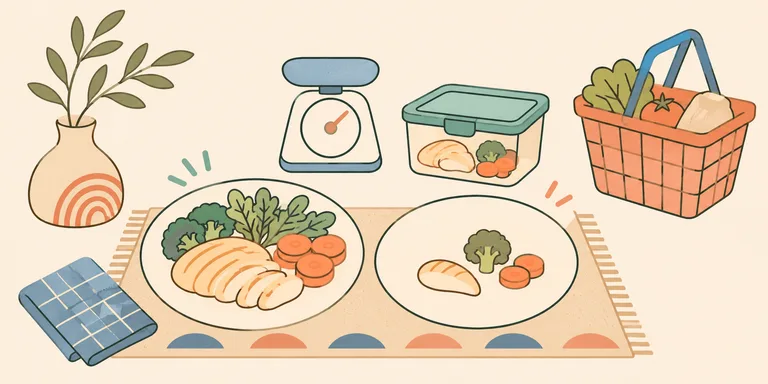
A comparison between turkey and chicken needs a serving size before it needs a winner. A whole bird, a kilogram of edible meat, and the protein in a meal are different units. Changing between them can make a confident environmental ranking misleading.
The same problem appears in the health comparison. Plain breast meat is a different product from salted deli slices. Naming the bird does not tell a shopper how much salt, skin, or added fat ends up on the plate.
For a meal decision, it makes more sense to compare the food actually bought and eaten. That includes the leftovers that find another use, with wasted portions counted separately.
Match the environmental boundary
A life-cycle assessment estimates impacts across defined production stages. Some stop at the farm gate. Others include processing and transport. A household decision may also involve cooking and disposal. Two numbers with different boundaries cannot settle a close comparison between species.
The 2023 study of feeds used by the EU chicken industry examines the environmental burdens of feed supply. Its period and geography are explicit. It helps explain the contribution of a bird's feed, but it is not a direct measurement of every turkey and chicken meal sold today.
A 2025 Icelandic poultry life-cycle study also found feed production to be the largest contributor across its analysed impact categories. Its results describe the systems studied. Applying its totals to another country requires checking the inputs and energy supply.
These studies support examining production conditions. They do not justify a universal claim that choosing chicken always reduces every environmental impact. Greenhouse gases, land use, and nutrient pollution also need separate measures; one low number cannot stand in for all of them.
Count the portions that reach a plate
An illustrative calculation shows why waste changes the comparison. Suppose a purchase has an attributed production footprint of ten units and yields ten portions that are all eaten. The attributed footprint is one unit per eaten portion. If half the portions are discarded, it becomes two units per eaten portion before adding any disposal impact.
The numbers are hypothetical. They show a denominator effect, not evidence that every oversized turkey doubles a household's emissions. The actual change depends on how much is wasted, what would otherwise have been bought, and how the waste is handled.
ReFED's 2026 U.S. report uses analysis and modelling to describe food waste. Its publication year should not be mistaken for the year of every underlying observation. National estimates can establish the scale of a problem without predicting the contents of one family's bin.
For that family, the useful record is simpler: the quantity bought, meals served, leftovers stored, and portions eventually discarded. Planning a second meal before shopping can change the amount needed for the first purchase.
Compare preparation as well as meat
The NHS guidance on meat distinguishes lean choices from meat high in saturated fat and advises limiting processed meat. It also explains that poultry skin affects fat content. That gives a more useful comparison than assigning a general health score to an animal species.
Compare like with like on the package. Use the same portion basis, check whether values describe raw or prepared food, and look at added salt. A nutrient table for cooked, skinless breast cannot be transferred to a brined product without checking its actual composition.
Protein is one attribute of a meal. A slightly different protein figure does not establish that one bird improves long-term health more than the other. A direct health-outcome claim would require appropriate evidence about the dietary pattern and population.
Food safety also affects whether leftovers remain usable. Follow the relevant storage and reheating guidance for the food and location. Buying an amount that can be safely stored is part of planning the portions, not a reason to keep cooked poultry indefinitely to avoid waste.
Choose the comparison you can support
An emissions label with a documented production system can inform a purchase. A package's nutrition information can inform a serving choice. Neither can be replaced by a generic claim that turkey or chicken wins eleven months of the year.
For a holiday meal, the immediate decision may be the size of the bird. For a regular lunch, it may be a less processed preparation or a different protein source altogether. State that decision first. Then compare the same edible quantity under the same measurement boundary, with a realistic plan for what will be eaten.