Check the setup and retained creations before buying Stickerbox
The current price and starter paper have changed. Check Wi-Fi, power and the separate retention rules for audio and saved creations.
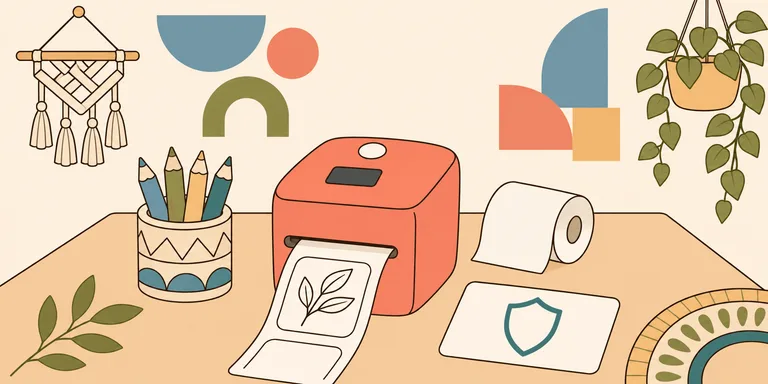
Stickerbox turns a spoken idea into a black-and-white sticker that can be coloured after printing. The physical result is the appeal: a child can take the drawing away from the device and use it in a story or a craft project. Setting up the connected product and understanding its data controls remain part of the purchase.
Product details below were checked on November 14, 2026. The current official listing shows a price of $129.99 and four paper rolls estimated at about 265 stickers. An older $99 description with a different starter-paper count no longer describes that listing. Recheck the order page before buying because bundles and delivery availability can change.
Start with the making activity
The official product page describes voice-generated stickers printed with thermal technology. The output is black and white, leaving colouring to the person using it. Consider whether that repeated activity fits the child receiving the gift. Interest in drawing or making small scenes may be more relevant than interest in AI itself.
A useful first activity can be simple: make a background object for a story the child already wants to tell. Let the child decide how to colour it and where it belongs. This keeps the generated image inside a larger making activity. A device demonstration alone gives a parent little evidence about how it will fit into ordinary play.
Check the physical setup with an adult before the first session. The product has a specific paper-loading procedure and uses its included power adapter. Place it where the paper can feed without obstruction. A gift can be more enjoyable when the first attempt begins after setup has already been checked.
Confirm the connection requirements
Stickerbox's current FAQ says generating new stickers requires Wi-Fi or a hotspot connection. It identifies 2.4 GHz Wi-Fi in its setup guidance and describes a companion app for setup and device management. Plan for those requirements in the home where the printer will be used.
The same guidance says the device uses the power adapter instead of batteries. A small cube can be easy to move between surfaces while still needing a socket and a usable network connection. Choose its usual location around that actual operating arrangement.
A family wanting a completely disconnected drawing activity has a different requirement. Decide how the connected generation step fits the household's preferences. Once a sticker is printed, the child can carry on with the physical material independently of the device. The purchase decision includes both parts of that experience.
Read the retention table by data type
The company's privacy policy, effective April 17, 2026, provides more detail than a broad privacy slogan. Its retention table says children's audio files are deleted immediately after transcripts and images are created. It gives transcripts and images a different retention period: until a deletion request or account deletion under the described process.
Those categories deserve separate attention. A statement about deleting audio leaves a parent with another decision about retained creations. The policy describes reviewing transcripts and images through the product and deleting them using the available controls. Check that process during setup so that the parent understands the account's stored history.
The FAQ also says listening occurs while the top button is pressed and says voice data is discarded after processing. Treat these as the company's documented product practices. If a particular data flow remains unclear, ask the company a question about that category and retain its answer with the policy version you read.
The kidSAFE member directory also lists Stickerbox as a connected device and mobile app. Use the programme's own record when checking a displayed seal. Read the standards associated with the seal being shown, then return to the product's specific controls for the questions that affect your household's intended use.
Treat safeguards as part of supervised use
The company describes content filters for prompts and generated artwork. A parent can still observe the first sessions and review whether the results fit the child's age and interests. A generated picture can misunderstand an ordinary request without exposing the child to a prohibited topic. Help the child interpret the result and decide what to try next.
Set expectations about how a generated image relates to the idea spoken. The device may produce an interpretation that differs from what the child imagined. The printed result can become material to change through colouring or drawing. That provides a way to continue the activity without repeatedly generating until every detail matches.
Avoid asking a child to include identifying information in a creative prompt. A request for a fictional animal can be expressive without naming a school or another child. A short explanation during the first session can make the household's preferred boundaries concrete.
Include the ongoing paper supply
Check which paper the current product requires and where the household can obtain refills. The official documentation directs owners to Stickerbox paper. Estimate the likely supply needed for the way the child will use it, then compare refill availability with the recipient's location. Running out can interrupt the activity even when the connected service works.
For a time-sensitive gift, verify the dispatch batch and the shipping region on the live order page. Dispatch and arrival are separate dates. Check the ongoing supply in the context of the household's intended activity and setup. Popularity claims add little to those checks; the relevant result is whether this particular child can enjoy using it under conditions the parent understands.